


Ever think of your mustard jar as a secret weapon in the kitchen? We sure do. Mustard isn't just a last-minute squeeze for a hot dog. It’s one of the most powerful yet underrated tools for clean, flavorful cooking. Sugar-free mustard can turn a simple chicken breast, a pork chop, or a tray of roasted veggies into something special, without added sugar or artificial ingredients.
But here’s the catch: not all mustards play the same game. Some are mild and tangy, others are bold and coarse. And sadly, many sneak in refined sugar or sweeteners, which can throw off both flavor balance and clean-eating goals.
We’ll break down the major mustard types, show you the best mustard pairings for proteins and plants, and help you find a sugar-free mustard that works as hard as you do in the kitchen.
Why Mustard Is a Clean-Eating Staple
Mustard has always been the kitchen's honest friend. It never needed fancy tricks. The classic recipe is beautifully simple: seeds, vinegar, a little spice. That’s it. This gives you a bright, sharp punch that wakes up your food without any added sugar.
That’s why it fits right into how we eat today. It’s naturally low in sugar, works well in clean eating routines and with diets like Whole30, and is often kid-friendly when kept simple. But somewhere along the line, mustard got a bit of a sugar addiction. A lot of brands decided it needed to be sweet, like everything else.
Choosing a real sugar-free mustard is a return to basics and to better ingredient transparency. It delivers a straightforward tang without unnecessary extras or hidden sweetness. It’s just good, clean flavor that makes your cooking better, not sweeter.
Understanding Mustard Types
You don't need a history book to understand the types of mustard and their stories. You just need to know which one to choose for the dish you’re cooking.
Yellow Mustard: The Reliable Friend
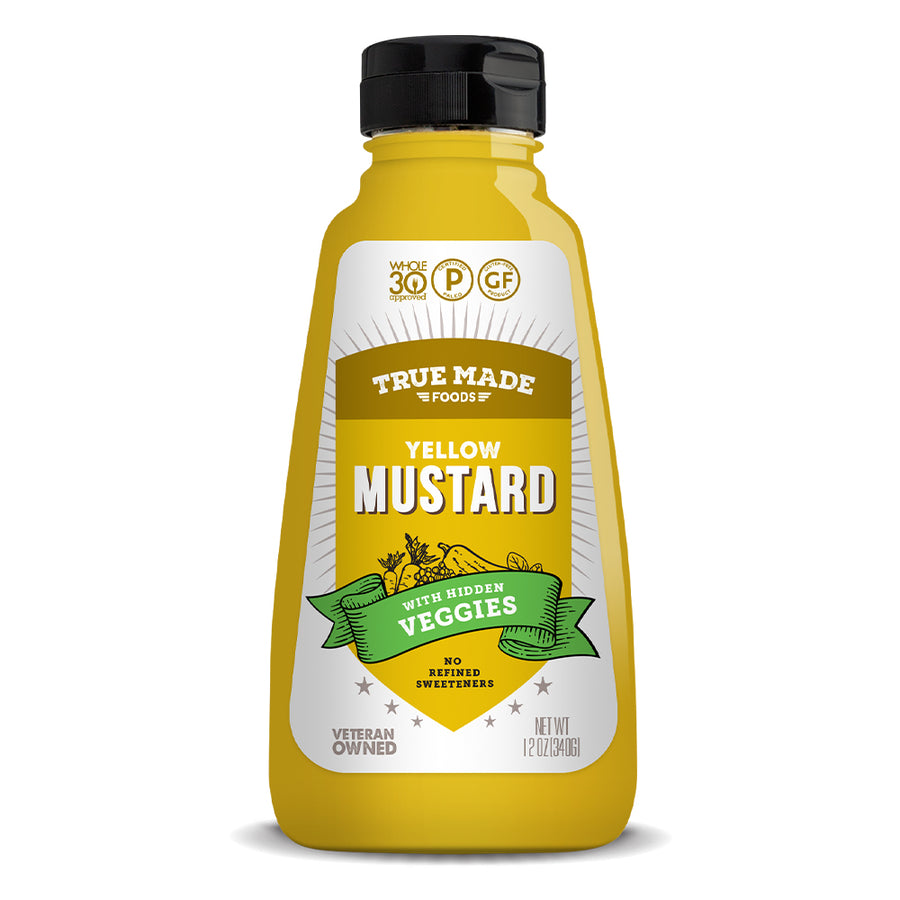
Yellow mustard is your go-to. It's bright, tangy, and never too loud. Perfect for coating chicken before it hits the oven, dipping hard-boiled eggs, or finishing roasted potatoes and sheet-pan meals. It's the easy choice that makes everyone happy. And a good mustard proves you don't need sugar to be delicious.
Stone Ground Mustard: The Bold Character
See those little seeds? That's your clue. Stone-ground mustard is coarse, a little spicy, and has something to say. That texture means it sticks to food. It’s one of the best choices for a pork roast or stirred into roasted veggies. It makes a weeknight dinner feel elevated.
Honey-Style Mustard: The Sweet Talker
This is not the conventional sugary condiment that you find in stores. A clean honey mustard gets its sweetness from real ingredients you can picture, like honey, apples, and vegetables. The result is a gentle, friendly tang that works magic on chicken tenders or a sheet pan of carrots. It's the one condiment for even picky eaters that they’ll love.
Knowing your mustard types makes it easier to cook with intention instead of guesswork.
Mustard Pairings: What Works Best With Chicken, Pork, and Vegetables

Picking a mustard is like choosing the right sidekick. You want a mustard that lets the base ingredient shine.
Best Mustard for Chicken
Chicken benefits from acidity and brightness.
- The basic yellow mustard is the classic move. It gives a nice tang without overwhelming.
- If you want to get fancy, try stone-ground. It gives chicken a spicy, textured crust.
- If someone likes a sweet touch? A proper sugar-free honey mustard is for them.
Best Mustard for Pork
Pork is naturally rich, which makes it ideal for bold, acidic mustard pairings.
- Stone-ground mustard's little seeds and sharp flavor cut through the fat on a chop or a sausage.
- Yellow mustard can step in too, for a simpler, brighter punch.
Best Mustard for Vegetables
Stop just dipping; start cooking with mustard. Toss your veggies in mustard before they hit the hot oven.
- Stone-ground will give potatoes or Brussels sprouts a savory crunch.
- For something like sweet carrots, a honey mustard balances them out perfectly.
The right mustard pairing enhances your food’s natural flavor instead of covering it up.
What Makes a Mustard Truly "Clean"
Forget the marketing claims and focus on the ingredient list. A clean mustard is about what you can actually see and pronounce. It starts with mustard seed, vinegar, water, and spices. That's the honest foundation.
The problem starts when sugar sneaks in. And it sneaks, dressed up as "evaporated cane juice" or "natural flavor." A true sugar-free mustard doesn't need that.
Instead, look for mustards that get clever. Some use vegetables like carrots or squash to add balance without refined sugar. That adds a natural, gentle sweetness that actually belongs in your food. No sugar bowl required. That's what makes a natural mustard. It tastes like real ingredients because it is. No tricks, just flavor.
Where True Made Foods Fit Into Clean Mustard Cooking
Where do we fit into all this? This "clean mustard" philosophy isn't just a theory for us at True Made Foods. It’s our foundation. It’s the whole reason we're here. We believe flavor should come from real vegetables, never from added sugar. Our mustards are built to be your reliable cooking partner, not a sweet dessert sauce.
We make the classics, but we make them right.
- Our Ballpark-Style Yellow Mustard delivers that familiar, tangy kick with zero sugar.
- Our German-Style Stone Ground is that bold, textured mustard your pork roast has been waiting for.
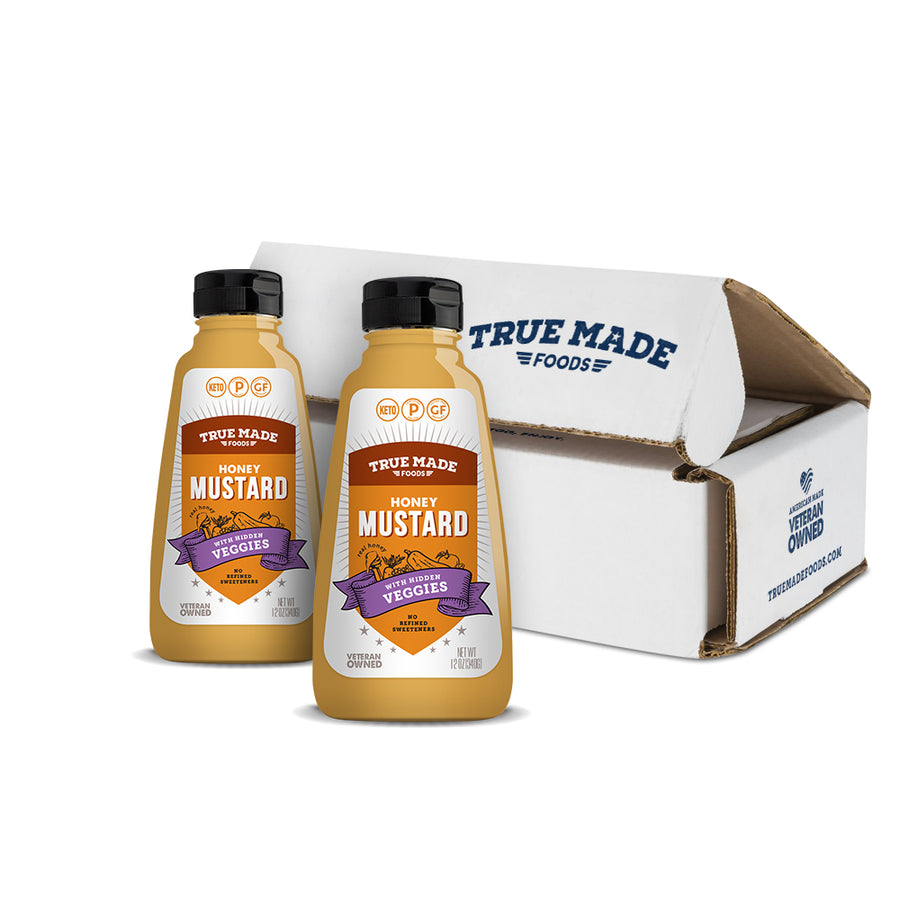
- Our Honey Mustard gets its balance from real honey and veggie purées, not refined sugar or syrups.
Our goal is simple: You should be able to grab our condiment to marinate chicken, glaze veggies, or dress a slaw without a second thought.
How to Cook More With Mustard
Stop letting your mustard just sit in the fridge door. Here’s how we use it to make weeknight cooking easier.
Think of mustard as your fastest flavor shortcut. A big spoonful of yellow mustard is the perfect start to a quick marinade for chicken. Whisk some stone-ground with oil and vinegar, and you’ve got a salad dressing in ten seconds flat.
For roasted vegetables, toss them in a bit of mustard and oil before they hit the pan. It gives them an incredible savory crust. And for a simple sauce, just thin a dollop of honey mustard with a splash of water or broth for a glossy finish over pork or carrots.
It’s not a fancy ingredient. It’s your easiest tool for adding a punch of flavor fast.
FAQs: Mustard Types, Sugar & Pairings
Is mustard usually sugar-free?
Not always. Many brands add sugar or sweetness, which is why reading labels matters. At True Made Foods, we keep our mustards free of added sugars and use only seeds, vinegar, and spices.
What's the most versatile mustard type?
A good yellow mustard is mild enough for kids, tangy enough for adults, and perfect as a base for sauces and marinades.
Can mustard replace sugary sauces?
Absolutely. In marinades, glazes, and dressings, a bold mustard gives you the flavor punch without the sweet stuff.
Is mustard good for kids?
A simple, clean mustard is a great way to introduce big, tangy flavors. Start with a mild yellow or a touch of honey mustard. They might just love it.
Choose the Right Mustard, Not Just Any Mustard
 Think about the mustard types you need. Plan your mustard pairings. Look for a sugar-free mustard that uses real ingredients. This is how you cook smarter. You get a natural mustard that adds to your food, not a bunch of junk you don't want. This whole idea is why we make our mustard the way we do at True Made Foods.
Ready to stop settling for sugary or overly processed mustard?
Explore True Made Foods’ no-sugar mustards. Ditch the old jar and discover how much better a real sugar-free mustard can make your chicken, pork, and veggies tonight.


